Reverse Osmosis vs. Water Softener: Which Water Filtration Services Does a Marana Home Actually Need?
Homeowners in Marana, AZ, frequently ask whether they need a reverse osmosis system, a water softener, or both. The answer depends on local water quality data and your household goals. This article breaks down how each system works, what it targets, and which solution fits your home given the area's hard water conditions. For residents exploring water filtration services in Marana, AZ, understanding the difference is a smart first step before making any investment. Call or text 520-554-0115 to speak with a local water expert and get a free quote today.
How Does Each System Actually Work?
A water softener and a reverse osmosis (RO) system are separate tools built to solve different problems. Both fall under water filtration services, though they operate through entirely different mechanisms.
A water softener targets hardness minerals using ion exchange, swapping calcium and magnesium ions for sodium ions. This removes the minerals that cause scale buildup in pipes, water heaters, and appliances, delivering softer water to every faucet, showerhead, dishwasher, and laundry machine in your home.
A reverse osmosis system pushes water through a semi-permeable membrane under pressure, filtering out dissolved contaminants, including heavy metals, nitrates, chlorine byproducts, and total dissolved solids (TDS). Most RO units install under the kitchen sink and treat water at a single point of use.
What Does a Water Softener Remove?
A water softener removes calcium and magnesium and can reduce certain trace amounts of iron and manganese. It does not remove chlorine, nitrates, bacteria, or most dissolved chemical compounds. If your primary concern is protecting pipes, appliances, and fixtures from mineral buildup, a softener is often the most practical starting point among water filtration services.
What Does a Reverse Osmosis System Remove?
An RO system removes a broader spectrum of contaminants, typically including dissolved solids, chlorine, fluoride, nitrates, arsenic, heavy metals, and some volatile organic compounds (VOCs). It does not soften water in the traditional sense, though it does reduce overall TDS. For families prioritizing clean, great-tasting drinking water, an RO system is one of the most effective water filtration services available.
What Does Marana's Water Actually Look Like?
Marana's water hardness is a well-documented challenge, averaging 14 to 22 GPG, well above the national average of 6 GPG. The Water Quality Association classifies water above 10.5 GPG as "very hard," placing Marana firmly in that category.
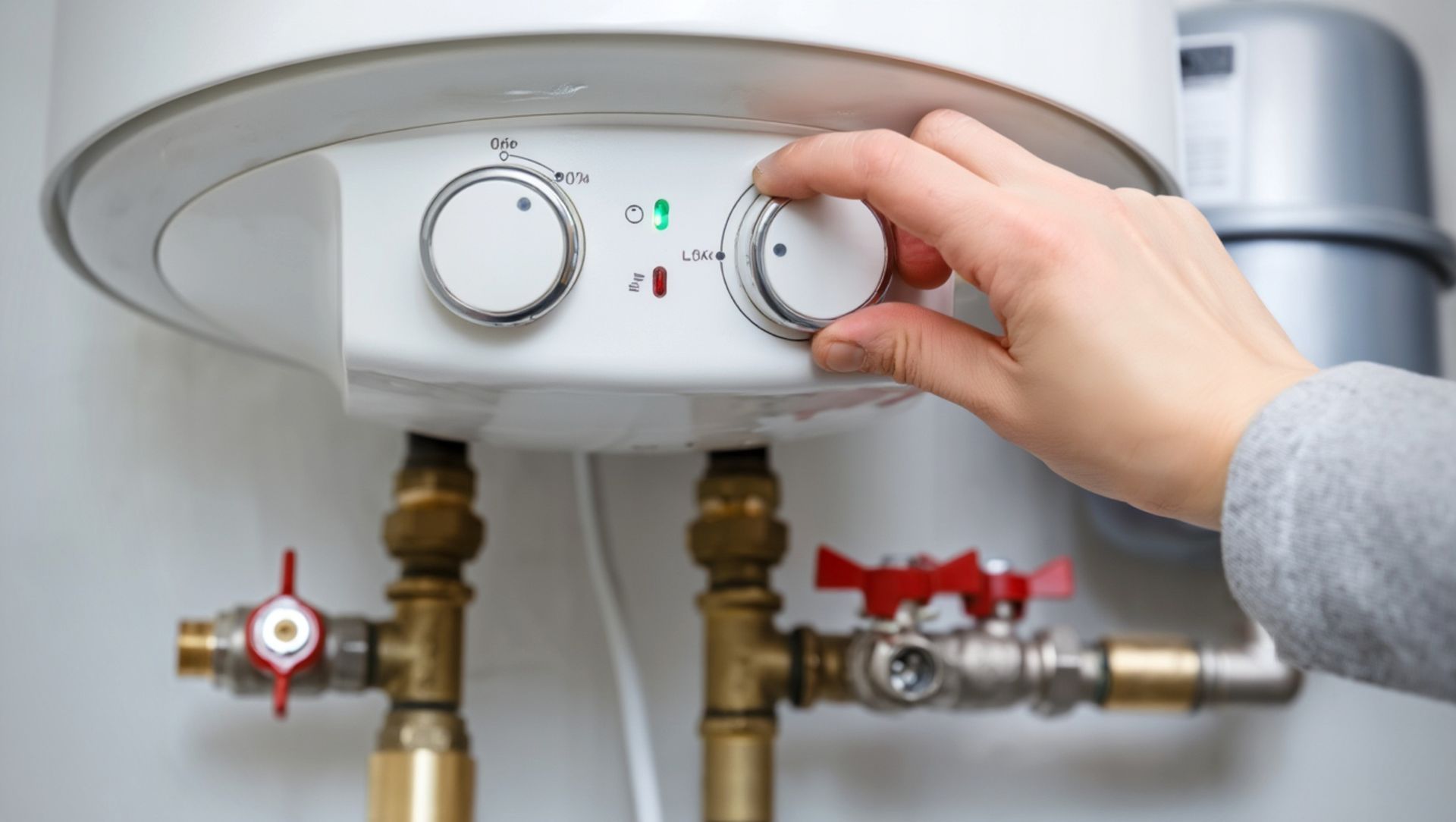
Hard water causes scale buildup in pipes and water heaters, spots on dishes and glass, dry skin and hair, and shortened appliance lifespans. In southern Arizona's desert climate, mineral sediment builds up inside water heaters over time, reducing efficiency and accelerating the need for repairs or replacement. Marana's tap water also contains chlorine and dissolved solids that affect taste and quality. Because readings can vary by neighborhood and season, a professional water test is always a smart starting point.
Does Marana Have a Hard Water Problem Worth Treating?
Yes. Marana's hardness levels are among the more challenging in the region, driven by Arizona's geology and water sourcing. For homeowners near Tangerine Road, Gladden Farms, and other newer developments, high mineral content affects newer plumbing and appliances just as readily as older systems.
Reverse Osmosis vs. Water Softener: Which One Do You Need?
Most Marana homes may benefit from both systems, but they serve different purposes and do not replace each other.
A water softener is a whole-home solution that protects every pipe, appliance, and fixture from scale damage. If you are dealing with white residue on faucets, spotty dishes, shortened water heater life, or stiff laundry, a softener addresses those issues at the source. Given Marana's hardness levels, this is often the highest-priority investment for long-term home maintenance.
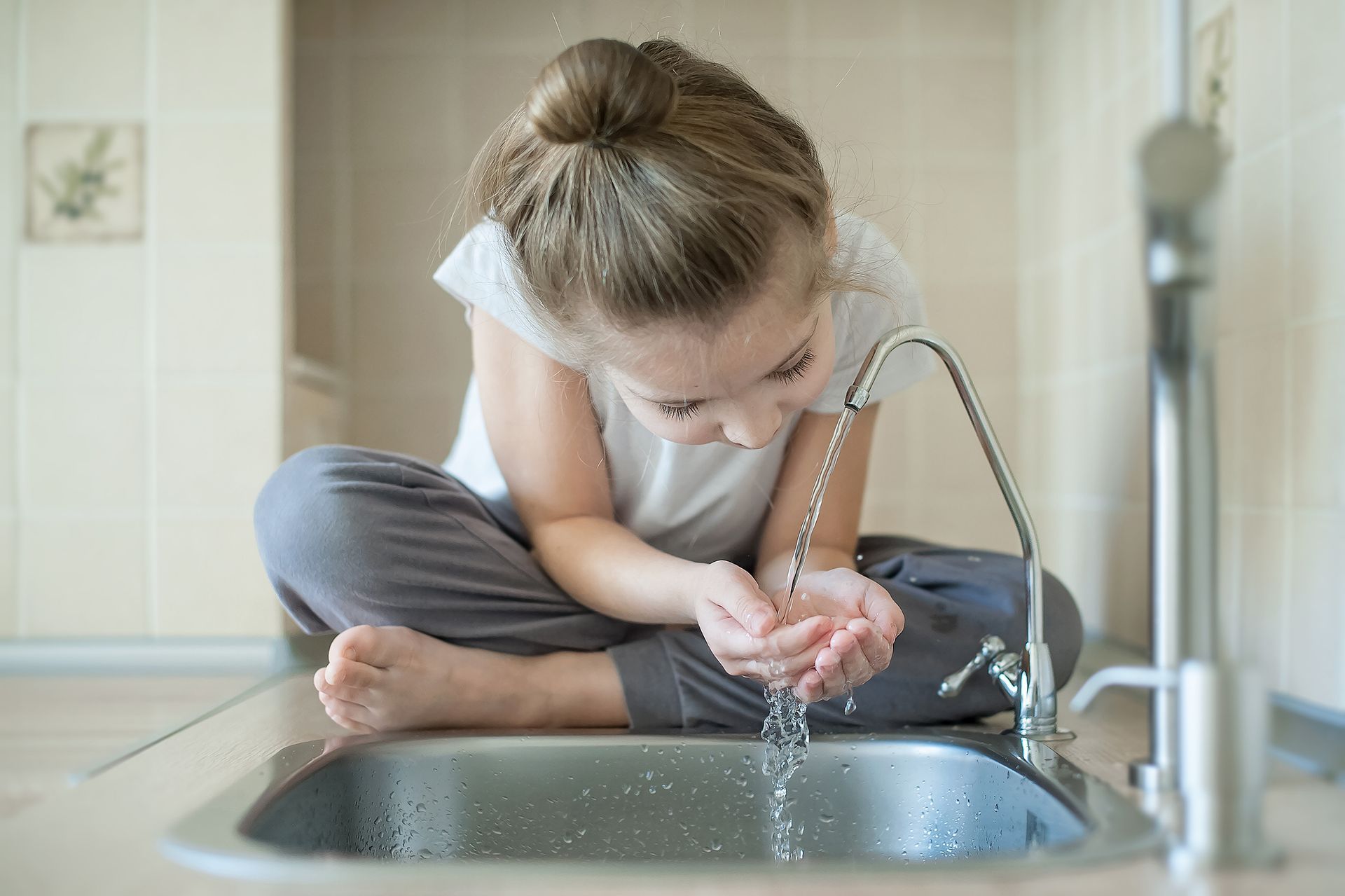
An RO system is a targeted drinking water solution. It does not treat water throughout your home, but what comes out of your RO faucet can be significantly cleaner and better tasting than standard tap water. For families concerned about chlorine taste, elevated TDS, or specific contaminants, an RO unit under the kitchen sink provides that extra layer of confidence.
Can You Use Both a Softener and an RO System Together?
Yes, and many Arizona homeowners do exactly that. The two systems complement each other well. A softener handles the whole-house mineral problem, while an RO system delivers a higher level of purification for drinking and cooking water. A licensed water treatment professional offering water filtration services can assess your home's specific water profile and help you determine which system to install first, or whether a combined solution fits your needs from the start.
You can also find AZ Pure Water & Plumbing on Google Maps for business details and location information.
Making the Right Choice for Your Marana Home
If you want to protect appliances and plumbing, a water softener is typically the first step. If cleaner drinking water is the priority, an RO system is the right tool. If you want both, a combined approach delivers the most complete result for Marana, AZ, homes.
Talk to a Marana Water Expert Before You Decide
AZ Pure Water & Plumbing serves Marana and the greater Tucson area with honest advice and professional water filtration services designed around your specific water quality and household needs.
Call or text 520-554-0115 to request a free quote, or contact the team online to schedule your water consultation.
Recent Posts