
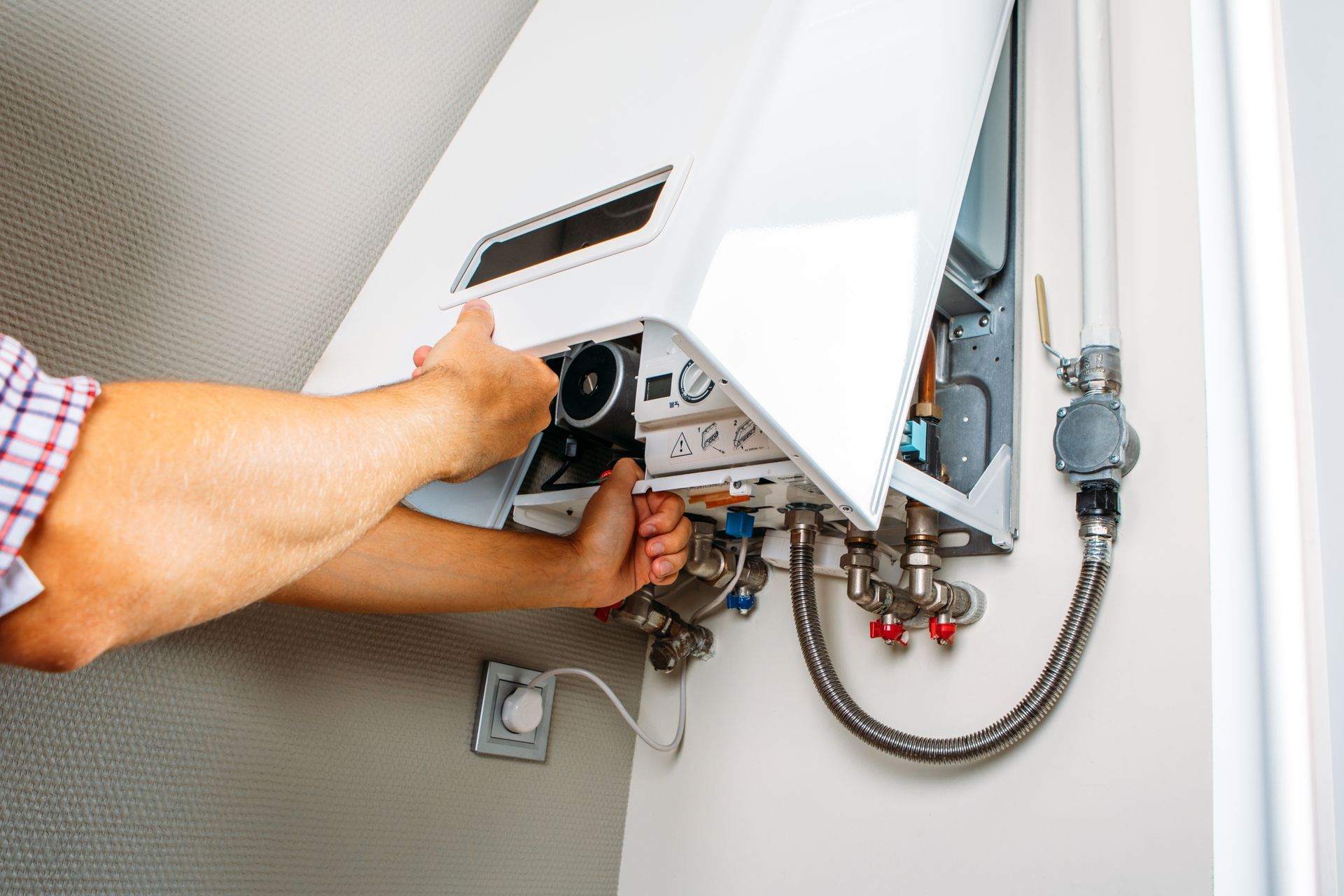
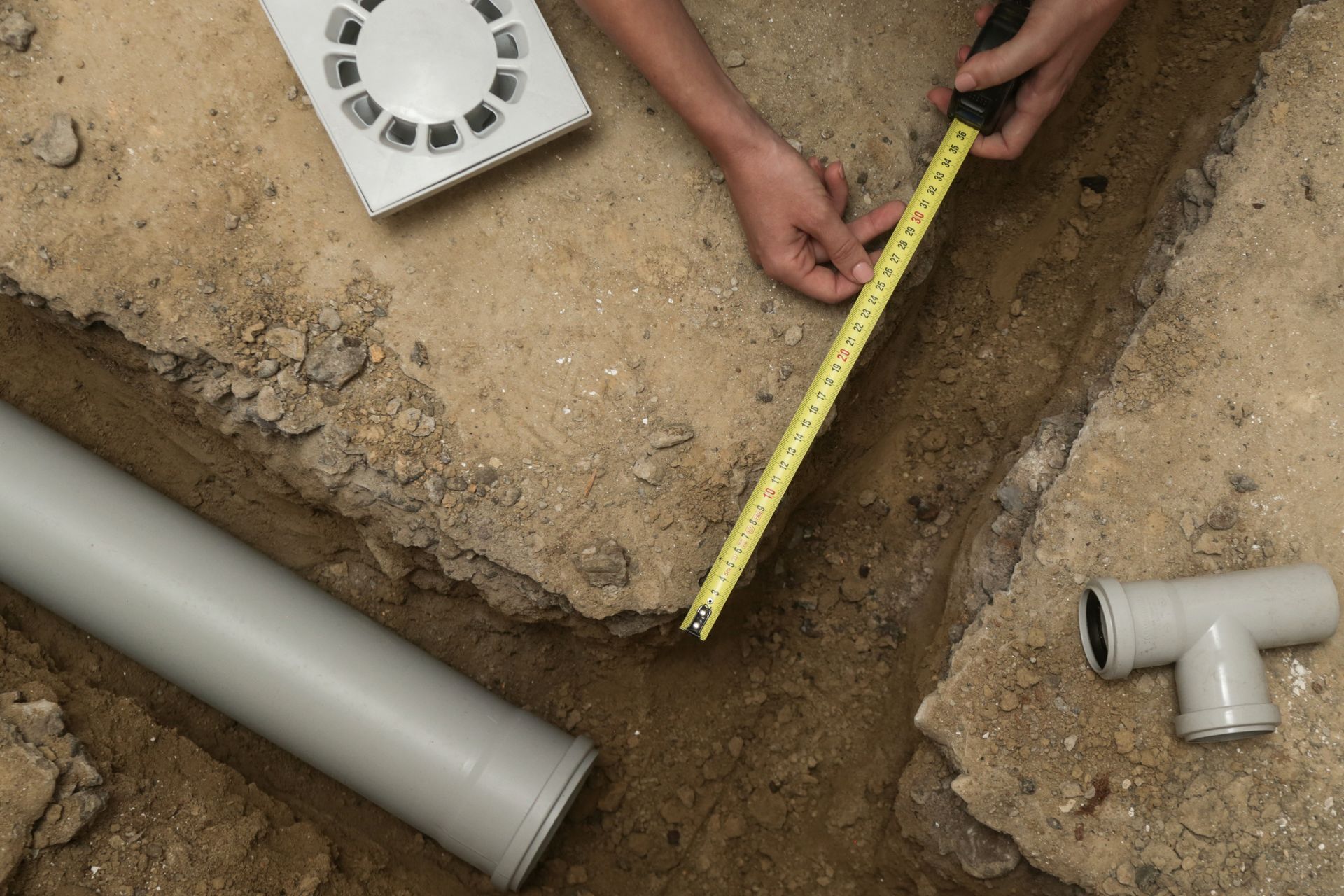
By Az Pure Water and Plumbing | Licensed Arizona Plumbing Contractor, ROC #355298 Tucson, Marana and Oro Valley are great places to own a home, but they're tough places to be a pipe. Between very hard water, triple-digit summers, shifting desert soil and a large stock of homes built during the 1970s–1990s building boom, plumbing here tends to wear out sooner than it does in other parts of the country. If you've been dealing with leak after leak, rusty water or weak water pressure, patching one more section of pipe may only be buying time. For many Tucson-area homeowners, a whole-home re-pipe is the permanent fix. Here's what you need to know. Why Arizona Plumbing Wears Out Faster Hard water. Tucson-area water is hard. Tucson Water blends local groundwater with Colorado River water delivered by the Central Arizona Project (CAP), and both sources carry a heavy load of minerals. Calcium and magnesium build up inside pipes over the years, narrowing them like clogged arteries. That means lower water pressure, more strain on fixtures and appliances, and in metal pipes, faster corrosion. Extreme heat. Many Tucson-area homes run water lines through attics that can get well above 130°F in summer. Constant heating and cooling expands and contracts pipes and fittings, stressing joints over time. Slab foundations and shifting soil. Most Tucson-area homes are built on concrete slabs, and many older homes have water lines buried in or under that slab. As the desert's clay and caliche soils shift, pipes rub against concrete and gravel. The result is the slab leak — one of the most common (and most expensive) plumbing problems in the state. Aging materials. Many Tucson-area homes were built with piping materials that are now well past their useful life, especially polybutylene and galvanized steel. Pipes That Commonly Need Replacing in Arizona Homes Polybutylene ("Poly" or "Qest"). This gray, flexible plastic pipe was installed in millions of homes from roughly 1978 to 1995, and it's common in Tucson-area homes built during those years. Chlorine in municipal water slowly breaks it down from the inside, and it can fail suddenly with little warning. Many insurance companies charge more for — or decline to cover — homes with polybutylene, and it can complicate selling your home. Look for gray pipe stamped "PB" near your water heater or under sinks (note: copper stub-outs at the wall can hide poly pipe behind it). Galvanized steel. Common in homes built before the 1970s, galvanized pipe is steel coated with zinc. Once that coating wears away, the pipe rusts from the inside out, restricting flow and turning your water brown or orange. Older copper. Copper is a good material, but Arizona's water chemistry can cause pitting over time, leading to pinhole leaks. If you've had more than one pinhole leak in different parts of the house, it's usually a sign the whole system is affected — not just one bad spot. Lines under the slab. Even if your pipe material is fine, repeated slab leaks are a strong signal that it's time to stop jackhammering floors and reroute the plumbing instead. Warning Signs You May Need a Re-Pipe Two or more leaks in the past few years, especially slab leaks or pinhole leaks Brown, yellow or rusty water, particularly first thing in the morning Low or inconsistent water pressure throughout the house Water that runs hot, then cold, then hot in the shower Visible corrosion, green or white crust on exposed pipes Banging, rattling or whistling pipes Unexplained spikes in your water bill Warm spots on the floor, the sound of running water when everything is off, or a water meter that keeps moving Your home was built before 1995 and still has its original plumbing Your insurance company or a home inspector has flagged your pipes Re-Pipe or Repair? How to Decide A single leak on otherwise healthy pipe can usually be repaired. But when the problem is the material itself, repairs turn into a cycle: fix one leak, wait for the next. Each repair also adds a joint between new pipe and old pipe — another potential failure point. A whole-home re-pipe usually makes more sense when: You have polybutylene or galvanized pipe anywhere in the home You've had multiple slab leaks or pinhole leaks Water quality or pressure problems affect the whole house, not just one fixture You're planning a remodel and walls are already opening up You're preparing to sell, or an insurer is asking about your plumbing When you add up the cost of repeated repairs, drywall and flooring damage, higher insurance premiums and the risk of a major leak while you're away for the summer, a re-pipe is often the less expensive option over time. PEX vs. Copper: Which Is Better for Arizona? The two most common re-pipe materials today are PEX (cross-linked polyethylene) and Type L copper. Both are big upgrades over polybutylene or galvanized pipe. Our take: For most Arizona homes, PEX — especially PEX-A — is the best balance of cost, durability and resistance to hard water. Copper is still a great choice for homeowners who prefer it, and in certain exposed or outdoor locations. We'll walk you through the pros and cons for your specific home. What to Expect During a Re-Pipe Many homeowners put off re-piping because they picture their house torn apart for weeks. In reality, most single-family homes are re-piped in just a few days, and you can usually stay in your home the whole time. Inspection and estimate. We look at your current plumbing, water pressure, fixtures and layout, then give you a clear written quote and material options. Permits. A whole-home re-pipe typically requires a permit from your local jurisdiction: the City of Tucson, Pima County, the Town of Marana or the Town of Oro Valley, depending on where you live. We pull the permit and schedule the required inspections. Protecting your home. Floors and furniture are covered, and work areas are sealed off to keep dust down. Rerouting the lines. Instead of breaking up your slab, new water lines are typically routed through the attic and down inside the walls to each fixture. Lines in the attic are insulated to help protect them from Arizona's summer heat. Connecting fixtures. New shut-off valves are installed at sinks and toilets, and every fixture is connected to the new system. Testing and inspection. The system is pressure-tested for leaks and inspected by the city. Patching. Small access openings in drywall are patched. Your water is usually only shut off during the workday, and most families have running water again each evening. How Much Does a Re-Pipe Cost in Tucson? Every home is different, so the only way to get an accurate number is an in-person estimate. The biggest factors are: Size of the home and number of bathrooms and fixtures PEX vs. copper Single-story vs. two-story How easy it is to reach the attic and walls Whether drywall patching is included Permit fees in your city Extras like new shut-off valves, a new main shut-off or a pressure regulator Ask us about financing options and any current specials. Choosing a Re-Pipe Plumber in the Tucson Area A re-pipe is a big job, so choose your contractor carefully: Check the license. Make sure the plumber is licensed by the Arizona Registrar of Contractors (ROC). You can look up any license and complaint history at roc.az.gov. Ask about permits. A reputable plumber pulls the permit and gets the work inspected. Get the material specifics in writing. What type and brand of PEX or copper? What fittings? Understand the warranty. Ask how long both the materials and the workmanship are covered. Confirm what's included. Drywall patching, texture, cleanup and haul-away should all be spelled out. Frequently Asked Questions How long does a re-pipe take? Most single-family homes take one to three days, depending on size and layout. Do I need to move out? No. Most homeowners stay home throughout the project, and water is typically restored each evening. Will you break up my floors? Usually not. Rerouting through the attic and walls avoids cutting into your slab. Does homeowner's insurance pay for a re-pipe? Insurance generally covers sudden water damage, not replacing aging pipes. However, removing polybutylene or galvanized pipe may help you get or keep coverage. Check with your insurance agent. Will a re-pipe add value to my home? Updated plumbing is a selling point, and it removes a common red flag on home inspection reports. Should I add a water softener at the same time? It's a great time to consider it. Softening or conditioning Tucson's hard water helps protect your new pipes, water heater, fixtures and appliances. Ready to Stop Chasing Leaks? If your Tucson-area home has polybutylene, galvanized pipe, or a history of slab and pinhole leaks, a re-pipe can give you peace of mind for decades. Az Pure Water and Plumbing has been helping homeowners across Tucson, Marana, Oro Valley and the surrounding communities protect their homes with quality re-pipes done right. Call Art at (520) 554-0115 to schedule your free re-pipe estimate today. Az Pure Water and Plumbing is a licensed, bonded and insured Arizona plumbing contractor. ROC #355298.
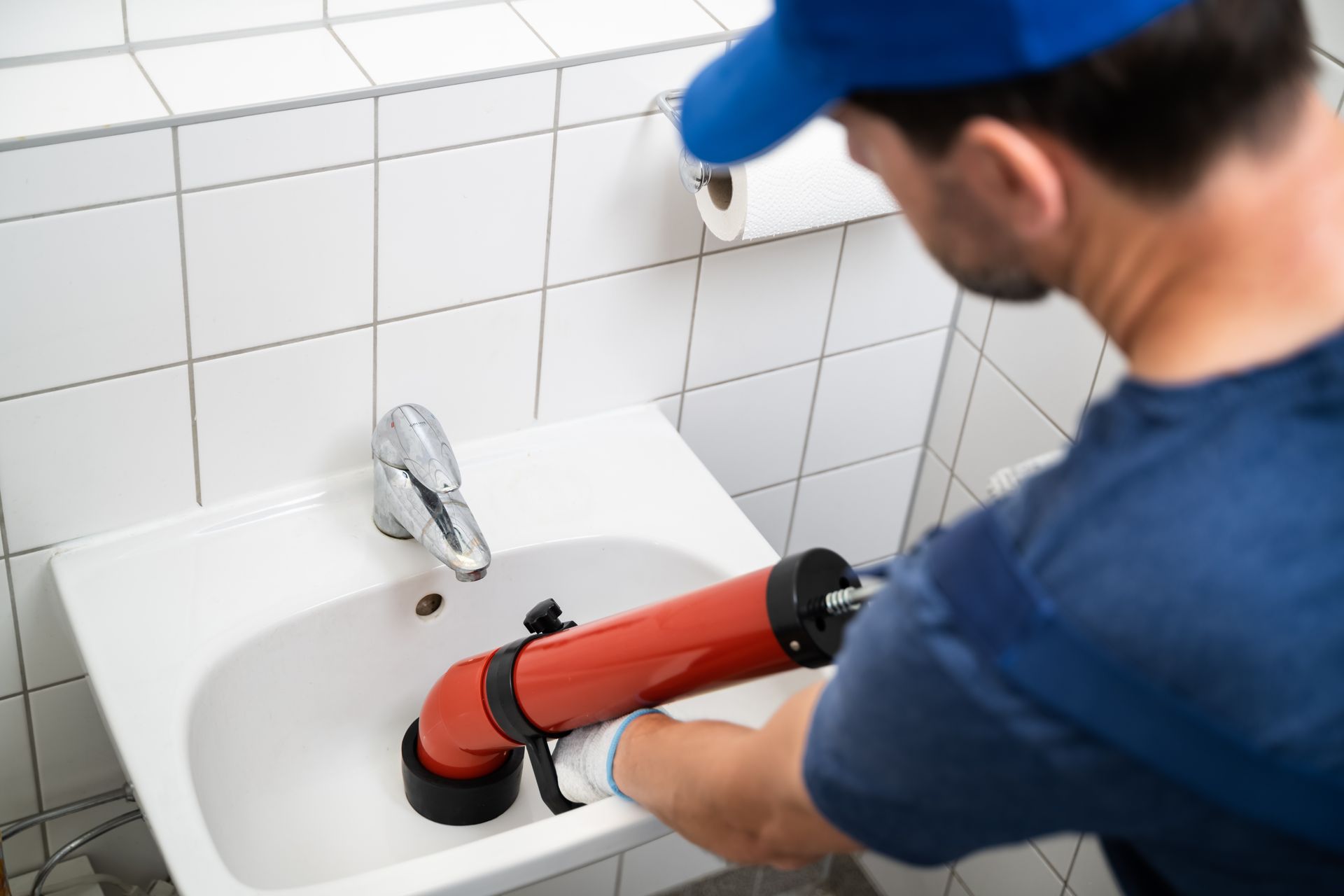
Compare hydro jetting vs. snaking with a trusted drain cleaning company in Marana, AZ. AZ Pure Water & Plumbing offers honest, expert solutions. Call today.
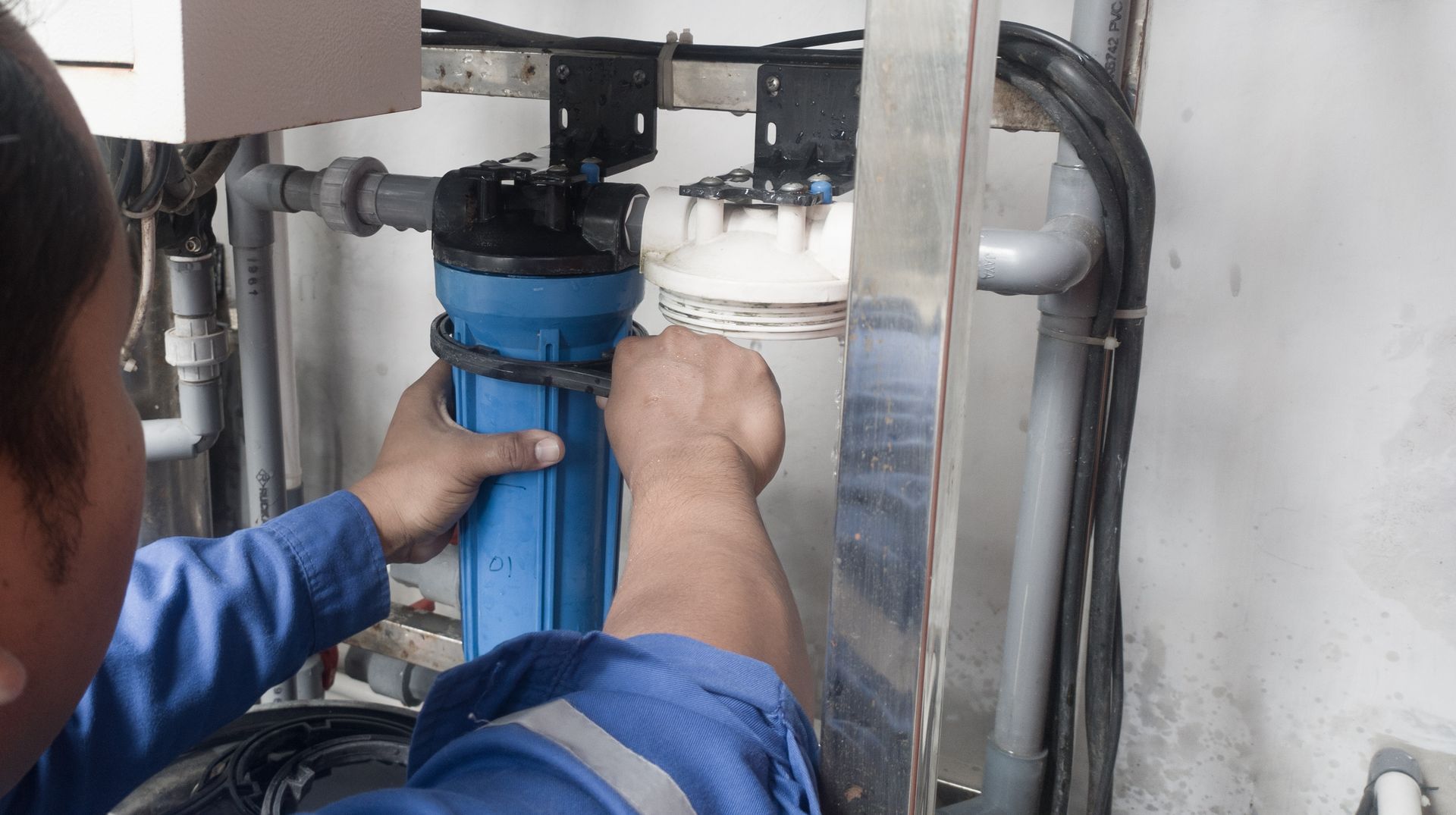
Need water filtration services in Marana, AZ? Compare RO vs. softeners and call AZ Pure Water & Plumbing at 520-554-0115 for a free quote!
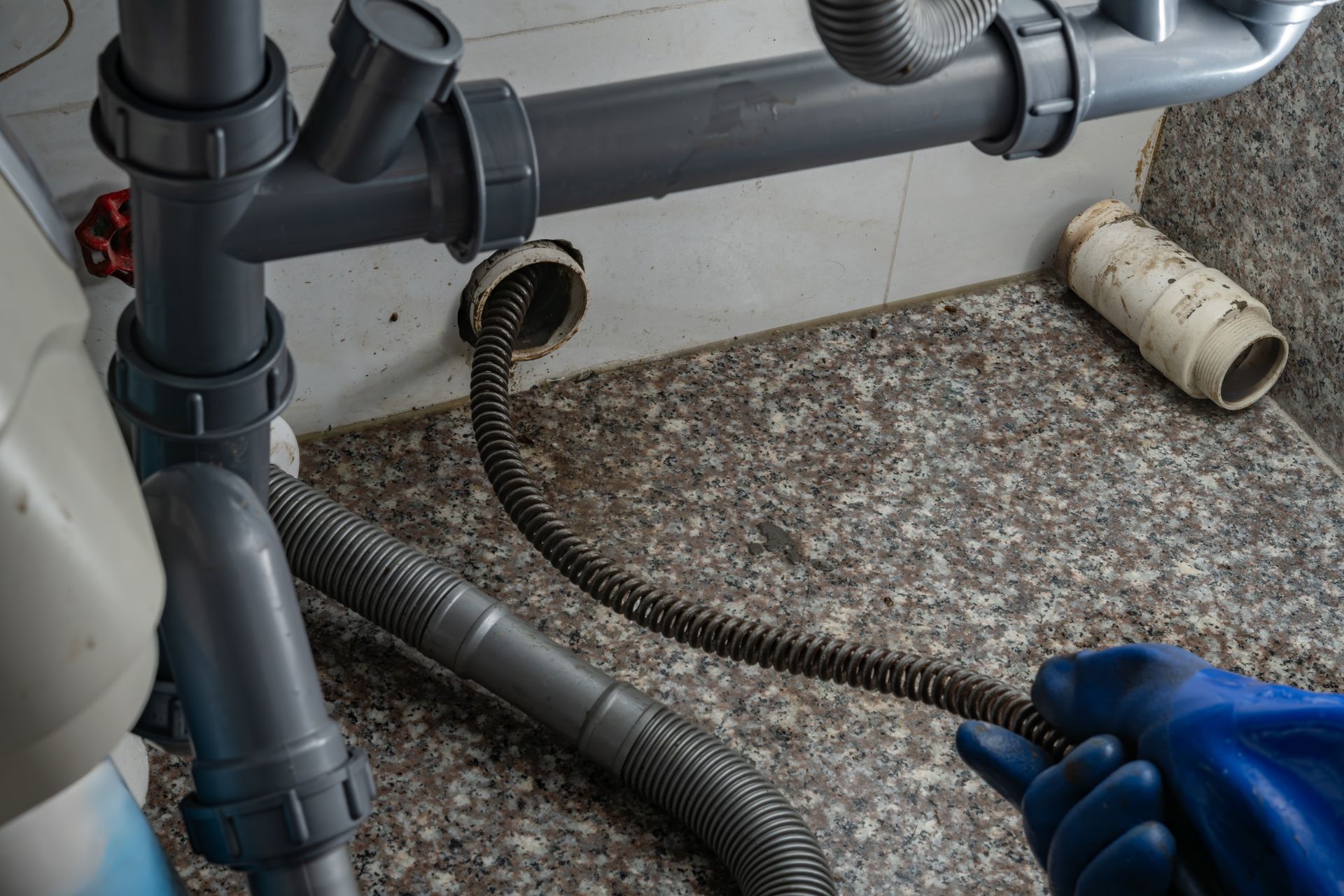
Discover what causes drain clogs in Marana, AZ, homes. AZ Pure Water & Plumbing offers expert residential drain cleaning solutions. Request a quote today!
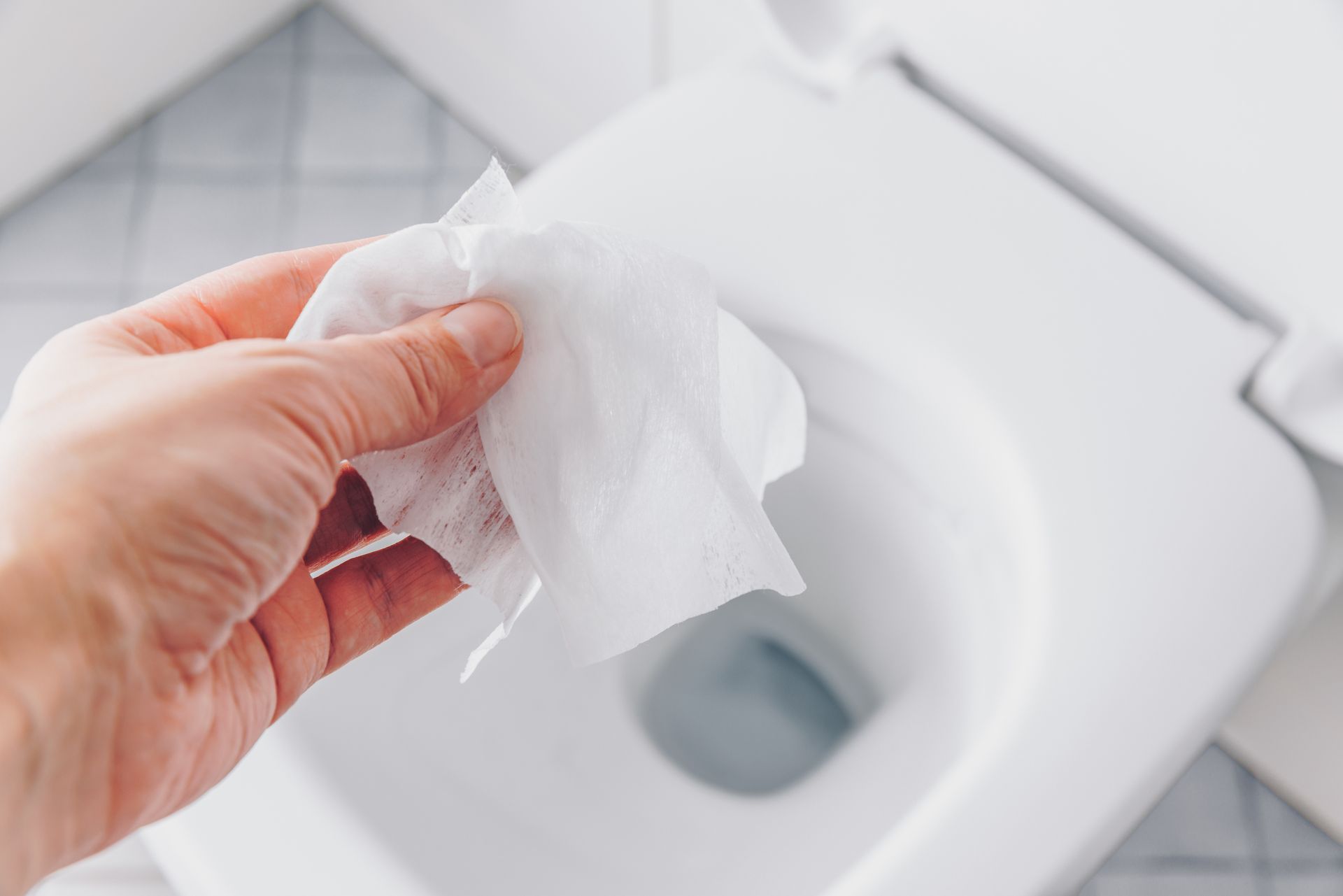
Flushable wipes clog Tucson, Oro Valley & Marana pipes and septic systems. Learn why "flushable" isn't flush-safe and how to protect your plumbing.
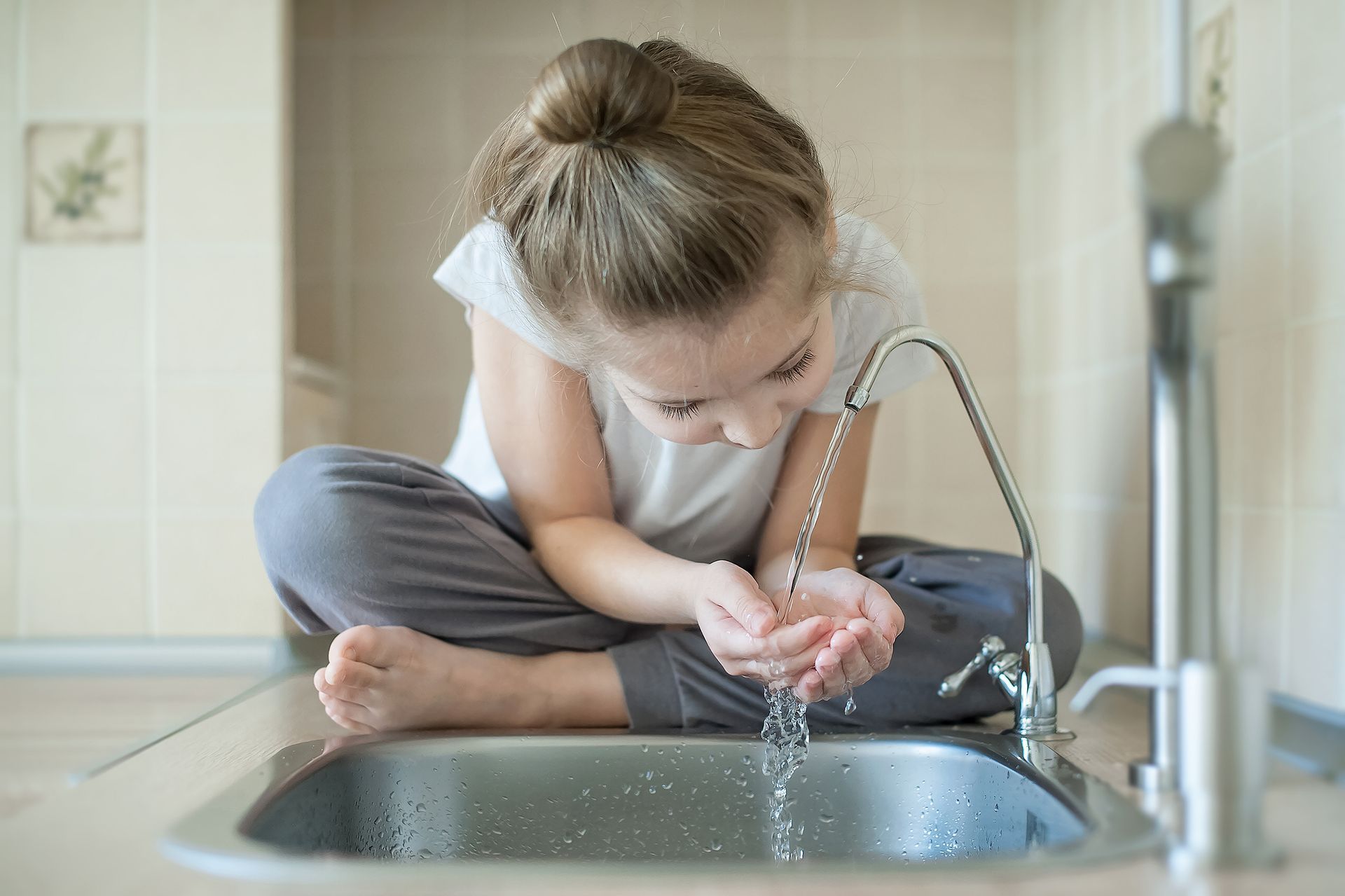
Living in Arizona has its perks, but your home’s water quality can be a real challenge. Arizona water is often known for being hard water , which means it contains high levels of minerals like calcium and magnesium. Over time, this can affect everything from your plumbing to your daily comfort. A water filtration system helps protect your home and improve your water in several important ways. 1. Better-Tasting, Cleaner Water Filtered water can improve the taste, smell, and overall quality of your drinking water. If your tap water has a strong mineral taste or odor, a filtration system can make it much more enjoyable for your family. 2. Protects Your Plumbing and Appliances Hard water can leave buildup inside pipes, faucets, water heaters, and other appliances. This mineral scale can reduce efficiency and lead to costly repairs. A quality filtration system helps reduce that wear and tear and can help your plumbing system last longer. 3. Healthier Water for Everyday Use From cooking to bathing to drinking, cleaner water matters. A custom water filtration solution can help reduce unwanted impurities and give you more confidence in the water your household uses every day. 4. Softer Skin, Cleaner Dishes, and Better Laundry Arizona’s hard water can leave spots on dishes, make laundry feel stiff, and even dry out your skin and hair. Filtered water can make a noticeable difference in your day-to-day routine. 5. A Smart Investment for Arizona Homes For homeowners in Tucson and surrounding areas, installing a filtration system is a smart way to improve water quality and protect your property. According to AZ Pure Water & Plumbing, they offer advanced water filtration services and custom filtration solutions designed to improve home safety, efficiency, and comfort. If you’re ready to improve your home’s water, AZ Pure Water & Plumbing offers expert water filtration installation, maintenance, and custom solutions in Tucson, AZ. You can call or text 520-554-0115 to get started.